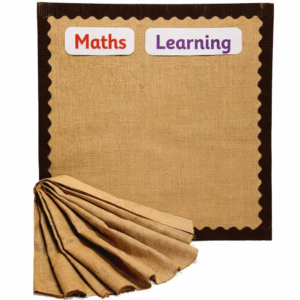


When schools search for teaching aids and stationery , they want practical classroom tools that improve learning and support teachers daily. Display Papers provides resources that help teachers build structured lessons and engaging displays. These materials support learning across subjects and age groups. They also help create organised classrooms that encourage focus and participation. Teachers rely on these tools to make lessons clearer and more interactive. Strong visual resources also help pupils understand ideas faster.
Classrooms across the UK depend on teaching aids to support modern learning needs. Pupils learn better when they see and interact with information. Visual tools turn complex ideas into simple formats. Teachers also save valuable time when they use ready-made resources. Lesson planning becomes easier and more efficient. This approach allows educators to focus more on teaching and less on preparation. Schools also benefit from consistency across year groups.
Teaching aids and stationery products play a key role in daily classroom structure. They support literacy, numeracy, creativity, and behaviour management. Many teachers use them to reinforce lesson content visually. Pupils often refer to them during independent tasks. This builds confidence and improves understanding. Display Papers offers a wide range of teaching aids that support these goals. Each product is designed to work in real classroom environments.
Why Teaching Aids Stationery Improves Learning Outcomes
Teachers across the country use teaching aids and stationery resources to improve lesson engagement. Pupils respond strongly to visual learning methods. Information becomes easier to understand when presented clearly. Teaching aids reduce confusion and support memory retention. This helps pupils progress faster in key subjects.
Active learning plays a major role in modern education. Teaching aids encourage pupils to take part in lessons. Instead of only listening, they interact with materials. This improves attention and participation levels. Pupils also develop independence when they use classroom resources directly. Teachers can guide learning without constant repetition.
Many schools also focus on inclusive learning. Teaching aids support pupils with different learning needs. Visual structure helps reduce cognitive pressure. Clear layouts make information easier to process. SEN learners benefit greatly from consistent visual prompts. This creates a more supportive classroom environment for everyone.
Teachers also improve assessment accuracy using teaching aids. They can quickly identify gaps in understanding. Pupils reveal their knowledge through interaction with resources. This allows for immediate support and correction. Lessons become more responsive and effective.
Classroom Organisation with Teaching Aids & Stationery
Organisation remains essential in every classroom. Display products help teachers create structured learning spaces. Clear displays guide pupils throughout the day. This reduces confusion and improves behaviour. Pupils understand expectations more easily when information is visible.
Working walls have become a popular classroom feature. These displays show key learning points and vocabulary. Pupils use them as reference tools during tasks. Teachers update them regularly to match lesson topics. This keeps learning fresh and relevant. It also supports long-term memory development.
Colour coding also improves organisation. Teachers use different colours for subjects or ability levels. This helps pupils identify resources quickly. It also supports classroom routines and transitions. Lessons run more smoothly when systems are clear.
Resource accessibility matters as well. Pupils need to find materials easily. Teaching aids help label and structure classroom areas. This encourages independence and reduces disruption. Teachers spend less time managing basic tasks.
Types of Teaching Aids and Stationery Schools Use
Schools across the UK use many different teaching aids depending on subject needs. Literacy resources remain some of the most popular tools. Alphabet charts, phonics cards, and word mats support reading development. These tools help pupils build strong language foundations. Repetition and visual support improve spelling and comprehension.
Numeracy aids also play a major role in classrooms. Number lines, multiplication tables, and place value charts support maths learning. Pupils understand abstract concepts more easily through visual guidance. Teachers use these tools to explain step-by-step processes. This improves confidence in problem-solving tasks.
Creative learning tools support imagination and expression. Story cards and visual prompts encourage discussion. Pupils develop communication skills through guided activities. These resources also support group work and collaboration. Creativity becomes part of structured learning rather than separate activity.
Behaviour support tools also help manage classrooms effectively. Reward charts and routine cards guide pupil behaviour. Clear expectations improve focus and reduce disruption. Teachers maintain a positive learning environment more easily. Consistent systems help pupils understand boundaries.
Teaching Aids and Curriculum Support
The UK curriculum focuses on active learning and skill development. Stationary resources align closely with these goals. They support hands-on learning experiences across subjects. Pupils engage more deeply when they interact with materials.
Literacy lessons benefit from structured visual support. Sentence builders and word banks help pupils construct ideas. This encourages independent writing and reading development. Teachers guide progress without over-explaining concepts. Pupils build confidence through repetition and practice.
Mathematics lessons also improve with visual aids. Number grids and problem-solving charts break down complex ideas. Pupils follow logical steps more easily. This reduces frustration and improves accuracy. Teachers can focus on deeper understanding rather than basic explanation.
Science and topic-based learning also benefit. Visual diagrams and keyword displays support knowledge retention. Pupils connect new ideas with existing understanding. This strengthens long-term learning outcomes. Teaching aids help make abstract concepts more concrete.
Teaching Aids and Papers in Classroom Displays
Displays remain a central feature of classrooms. A variety of paper products support effective display creation. They help teachers present information clearly and attractively. Pupils engage more when displays feel interactive.
Displays also reinforce learning outside lesson time. Pupils absorb information passively while moving around the classroom. This repetition strengthens memory. Teachers update displays to match current topics. This keeps learning aligned with curriculum progress.
Display organisation also matters for clarity. Structured layouts help pupils locate information quickly. Colour, headings, and spacing improve readability. Teachers use teaching aids to build consistent designs. This creates a professional learning environment.
Display Papers provides materials that integrate well with teaching aids. Teachers can combine resources to build full classroom themes. This improves visual consistency across learning spaces. It also saves preparation time during term planning.
Practical Benefits of Teaching Aids and Wall Stationery
Time efficiency remains one of the biggest advantages for teachers. Ready-made teaching aids reduce preparation workload. Teachers can focus more on lesson delivery. This improves classroom energy and engagement.
Cost effectiveness also supports school budgets. Many teaching aids last across multiple academic years. Durable materials reduce replacement needs. Schools achieve better long-term value. This helps allocate budgets more effectively.
Consistency improves pupil experience across year groups. Structured resources ensure smooth learning progression. Pupils recognise familiar formats as they advance. This builds confidence and reduces transition stress. Teachers also benefit from shared systems.
Confidence in teaching delivery improves with reliable resources. Teachers feel supported during lesson planning. They can adapt materials to suit different classes. This flexibility improves overall teaching quality.
Final Thoughts on Teaching Aids Stationery
Teaching aids remain essential in modern education. They support learning, organisation, and classroom engagement. Teachers rely on them to deliver structured and effective lessons. Pupils benefit from clearer understanding and improved participation.
Schools that invest in teaching aids and sdisplays resources create stronger learning environments. Lessons become more interactive and accessible. Classroom management also becomes more efficient. Display Papers continues to provide practical tools that support these outcomes. These resources help teachers build organised, engaging, and successful classrooms across the UK.