
Summer gives teachers a rare chance to step back and rethink their classrooms. Once the last pupils leave, the familiar displays can suddenly look tired, dated, or simply out of place. Therefore, this quiet period offers the perfect opportunity to plan back to school classroom display ideas that feel fresh and purposeful. However, you do not need to cover every wall with colourful decorations to create an inviting space. Instead, thoughtful choices can help your classroom feel organised, welcoming, and ready for a brand-new year.
A successful classroom display should do more than fill an empty wall. It can introduce routines, celebrate achievement, support learning, and help children feel that they belong. Equally, it should work alongside your teaching rather than compete with it. For that reason, the best displays often combine attractive backgrounds with practical information and carefully chosen details. As you prepare for September, think about how each area will function once your classroom fills with children, books, bags, coats, and plenty of activity.
Start Your Back to School Classroom Display Ideas with a Fresh Foundation
Before you add anything new, take a good look at your existing classroom walls. Some displays may still have useful elements, while others may need a complete refresh. Old backing paper can fade during the year, especially when sunlight reaches it every day. Borders can become tatty, corners can curl, and once-bright colours may lose their impact. Consequently, replacing the foundation can make the whole room feel new without requiring you to redesign every display from scratch.
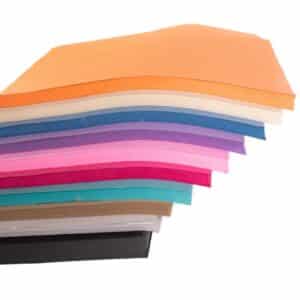
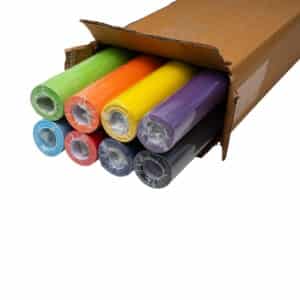
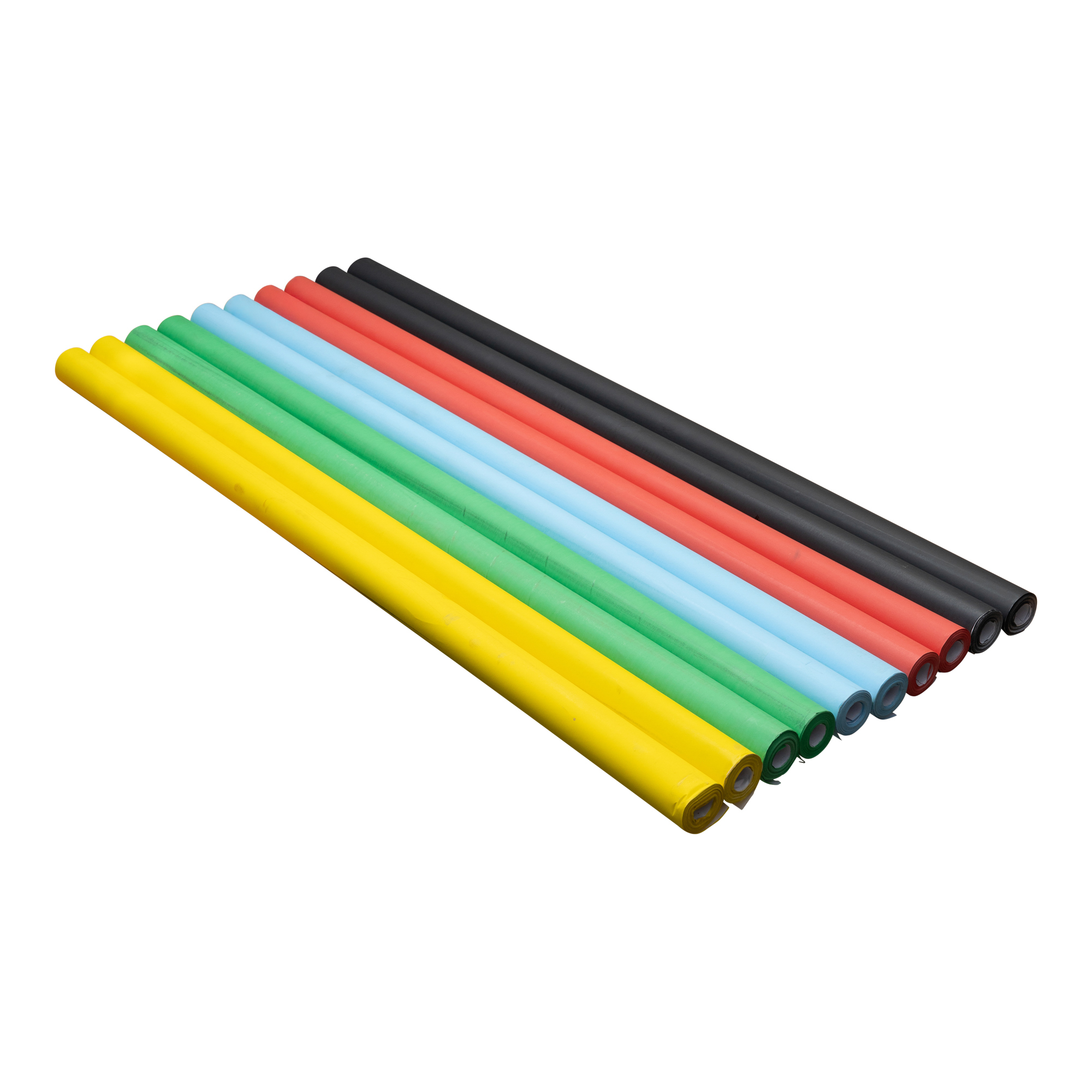
Fresh display paper gives you an easy starting point for your September classroom preparation. Choose colours that create a consistent feel across the room, then introduce brighter shades through borders, lettering, and pupil work. For example, a calm blue or green background can create a restful base for a busy classroom. Meanwhile, warmer colours can add energy to reading corners, creative areas, or celebration displays. Rather than choosing every colour individually, consider creating a simple palette that ties the room together.
However, do not assume every wall needs the same treatment. Different areas can have their own personality while still feeling connected. A reading display might use deeper, calmer shades, while a maths working wall could feature brighter accents. Similarly, a welcome board might use a cheerful combination that immediately catches children’s attention. By planning your colours together, you can create a room that feels intentional rather than randomly decorated.
Create Ready-to-Use Layouts Before the Classroom Gets Busy
September always arrives faster than expected. Therefore, preparing your main display layouts before pupils return can save valuable time during those hectic first weeks. You do not need to complete every display in advance, either. Instead, create the structure now and leave clear spaces for children’s contributions, changing information, and work that you will add throughout the year.
A ready-to-use layout might include a backing, a border, a title, and a defined area for work. This approach gives you a polished starting point while leaving room for the display to grow. You could prepare a large welcome display, for instance, then add pupil names or self-portraits once everyone settles in. Alternatively, create a “Our Learning Journey” area with sections ready for each half term. That way, your display becomes a record of progress rather than a static decoration.
Think carefully about the practical side of your design, too. Can you reach the display easily when you need to change it? Will the backing withstand constant handling? Can you remove individual pieces without damaging the whole area? These questions matter because a classroom display needs to cope with everyday use. A clever layout should look good on the first day and remain manageable several weeks later.
Use Back to School Classroom Display Ideas to Introduce Routines
The first few weeks of a new school year involve plenty of routines. Children need to learn where to put their belongings, how to move around the room, where to find resources, and what happens at different points in the day. Consequently, classroom displays can support those routines while helping children become more independent.
A simple visual timetable can provide reassurance during the first few days. Similarly, clearly labelled resource areas can help children find what they need without constantly asking for help. You might also create a dedicated space for classroom expectations, group roles, or daily responsibilities. Keep these areas clear and easy to understand, especially for younger pupils who may rely heavily on visual prompts.
At the same time, avoid cramming every rule onto one enormous display. Children can struggle to process too much information at once. Instead, spread key routines around the classroom according to where they apply. Place resource reminders near the relevant storage areas. Keep the visual timetable somewhere everyone can see it. Position group responsibilities where children naturally look during collaborative work.
This approach makes your classroom work harder for you. Rather than repeatedly explaining every small procedure, you can point children towards visual reminders. Over time, those prompts can encourage greater independence and reduce unnecessary interruptions. Therefore, a well-planned display can become a practical teaching tool as well as an attractive feature.
Make Your Classroom Feel Welcoming from the Moment Children Arrive
The first impression matters. When children walk into a classroom after the summer holidays, they should immediately feel that someone has prepared the space for them. A welcoming display can help create that sense of excitement and belonging. However, you do not need an elaborate theme to achieve it.
Start with a clear welcome message that feels appropriate for your class. Then, build the display around a simple idea that you can develop once pupils arrive. You could create a colourful “Welcome to Our Class” board, for example, with spaces for children’s names or photographs. Alternatively, choose a theme around exploration, growth, creativity, or teamwork. These concepts can work across different year groups and adapt easily as the year progresses.
Consider how the display will look from the doorway, too. A strong focal point can draw children into the room and establish a positive atmosphere immediately. Large lettering can make your message easy to spot, while carefully chosen backing paper can provide contrast without overwhelming the space. Adding a few well-placed decorative elements can then bring the whole design together.
Most importantly, make the display feel like it belongs to the children. Leave opportunities for them to contribute during the first week. A display that starts with a teacher-created foundation can quickly become something personal and meaningful. Children might add their hopes for the year, drawings, self-portraits, or short statements about themselves. Consequently, the classroom begins to reflect its new community rather than simply showcasing your summer preparation.
Think About How Displays Will Change Throughout the Year
One of the smartest back to school classroom display ideas involves planning for change from the beginning. A display should not become a permanent fixture that you forget about by October. Instead, think about how each area might develop as your teaching moves forward.
For example, a working wall can begin with key vocabulary and essential information. As your lessons progress, you can add examples of children’s thinking, useful reminders, and pieces of work that demonstrate new learning. This approach keeps the display relevant because it changes alongside the children. It also gives pupils a visual reminder of what they have learned and where they need to go next.
Celebration displays can follow a similar pattern. Rather than filling the entire space on the first day, create a strong foundation and add children’s achievements over time. You could use a simple background with a bold title, then introduce pupil work as the year progresses. This method makes the display easier to maintain and gives children a genuine reason to look at it.
Furthermore, consider using durable materials in areas that you expect to update frequently. Displays that require regular changes benefit from sturdy backing and well-finished edges. Protective solutions can also help where displays face high levels of handling or sit in busy corridors. When you plan for longevity, you spend less time repairing displays and more time using them effectively.
Give Fresh Walls a Purpose Beyond Decoration
A blank wall can feel like an invitation to decorate. Yet, every available space does not need a display. In fact, leaving some areas calmer can help your classroom feel less visually overwhelming. Therefore, think about what you want each wall to achieve before you reach for the display paper.
Some walls might support current learning. Others might celebrate children’s work or provide useful information. A smaller area could welcome visitors and introduce your class. Meanwhile, another space might remain deliberately simple so that the room has somewhere for the eye to rest.
This balance becomes particularly important in busy primary classrooms. Children already encounter plenty of visual information throughout the day. Posters, labels, resources, books, furniture, and children’s work all contribute to the environment. If every surface competes for attention, important information can become harder to find. Consequently, purposeful displays often work better than simply adding more decoration.
You can still create a colourful and exciting classroom without covering every inch of wall space. Use contrast to make important areas stand out. Choose borders that frame rather than distract. Select backing colours that complement the work you plan to display. Then, allow the children’s work to become the star of the finished design.
Use Colour to Create a Classroom That Feels Cohesive
Colour can completely change how a classroom feels. However, successful classroom colour schemes usually involve more thought than simply choosing a favourite shade. Different colours can create different moods, so consider how you want each part of the room to feel.
Calmer colours can work well around reading spaces or quiet areas. Brighter shades can bring energy to celebration boards and creative displays. Meanwhile, neutral tones can provide a flexible background that allows children’s work to stand out. You could also choose one main colour family and introduce complementary shades through borders and lettering.
Think about the age of your pupils when making these decisions. Younger children may respond well to cheerful colours and bold visual features. Older pupils might appreciate displays that feel more mature while still offering plenty of personality. Therefore, avoid creating a classroom that looks identical every year. Instead, adapt your approach to suit the children who will use the space.
A consistent colour palette can also make your summer preparation easier. Once you choose your main shades, you can plan several displays at once. This approach reduces decision fatigue and helps the room feel connected. You can then introduce variety through textures, lettering styles, pupil work, and seasonal changes.
Plan Displays That Help Children Feel They Belong
A new school year brings excitement, but it can also bring uncertainty. Some children may feel nervous about a new teacher, new classmates, or changes in routine. A thoughtful classroom environment can help ease that transition.
Personal touches can make a significant difference. A welcome board can introduce the class before everyone arrives. A shared class display can give children something to contribute during the first few days. Even simple name cards can help establish a sense of ownership. Gradually, these small details can transform an unfamiliar room into a place that feels like theirs.
You can also use displays to celebrate individuality. Consider creating a space where children can share interests, favourite books, creative work, or personal goals. This idea works particularly well during the first term because it gives you opportunities to learn more about your class. At the same time, children can discover common interests with their classmates.
As the year continues, these displays can evolve naturally. A class identity board might become a celebration of achievements. A welcome display could transform into a record of shared experiences. Meanwhile, an empty section reserved for pupil voice could fill with ideas and reflections. Consequently, your September preparation can create the foundation for a classroom story that continues throughout the year.
Keep Back to School Classroom Display Ideas Practical for Teachers
Beautiful displays can take time, especially when you create everything from scratch. Therefore, your September planning should consider your own workload as well as your pupils’ needs. Ready-to-use layouts can provide a valuable starting point when time feels limited.
You can prepare the basic structure during the summer, then personalise it once the new school year begins. This method allows you to create a polished environment without spending every holiday afternoon cutting and assembling decorations. It also gives you more flexibility when your plans change.
Durability matters here as well. Busy classrooms put displays through plenty of wear and tear. Children brush past them, doors open nearby, and resources move around the room. Displays may also face direct sunlight or changing temperatures throughout the year. Consequently, choosing suitable materials can help your hard work last longer.
At the same time, remember that perfection does not create the best classroom environment. A display that includes children’s handwriting, drawings, ideas, and work will often feel more meaningful than something that looks professionally printed. Your summer preparation should create the framework. Then, let the children bring the classroom to life.
Refresh Your Classroom Before the New School Year Begins
The best back to school classroom display ideas combine creativity with purpose. They welcome children into the room while supporting routines, independence, learning, and a sense of belonging. Furthermore, they give teachers a practical starting point that can evolve throughout the school year.
As you prepare your classroom, begin with the walls themselves. Fresh display paper can instantly transform tired areas and provide a consistent foundation. From there, think about colour, layout, accessibility, and longevity. Consider which displays need to stay flexible and which areas can remain more permanent. Above all, plan spaces that children can use rather than simply spaces that look attractive.
You do not need to redesign every corner before September. Instead, focus on creating a welcoming foundation that you can develop with your class. Prepare your key layouts, establish your colour palette, and make space for children’s contributions. Then, once the new school year begins, allow your displays to grow alongside your pupils.
After all, the most successful classroom displays rarely stay exactly the same. They change as children learn, create, celebrate, and develop. Therefore, your summer preparation should not aim for a finished classroom. Instead, create a flexible starting point that feels fresh on day one and remains useful throughout the year.