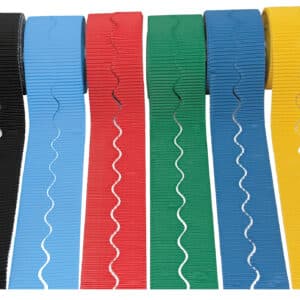


January classroom display ideas help teachers reset learning spaces after the winter break. As pupils return from the holidays, refreshed displays support focus, motivation and a sense of calm structure at the start of a new term.
The first few weeks of January often feel intense. Energy is low, routines need re-establishing and classrooms can feel visually tired after months of winter displays. Updating noticeboards and wall spaces is one of the simplest ways to reset the environment without adding pressure. With thoughtful planning and the right materials, displays can support learning rather than overwhelm it.
Why January Displays Matter More Than You Think
January classroom display ideas are about more than aesthetics. Displays influence behaviour, attention and emotional regulation. Calm, well-organised boards reduce visual overload and help pupils refocus after a long break.
Clear displays also reinforce classroom expectations. When learning intentions, routines and achievements are visible, pupils feel more secure and understand what matters. January is the ideal time to strip back clutter and rebuild displays with purpose.
Choosing a Theme That Supports the New Term
Start with one clear theme per board. January themes often work best when they link to fresh starts, growth or upcoming curriculum topics. Common choices include goal setting, resilience, seasonal change or subject-specific learning launches.
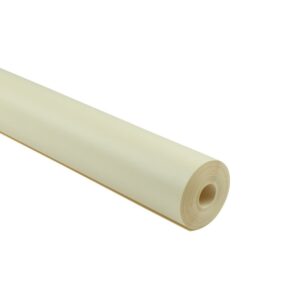
Neutral display paper creates a calm backdrop for information-heavy boards. Brighter colours work well for celebration or creativity displays. Consistency across the room helps the space feel intentional rather than busy, which is especially important at the start of term.
Refreshing Layouts for a Cleaner Look
Changing layout often has more impact than replacing every element. Straight borders and crowded boards can feel dated and overwhelming. Layering display paper, using curved edges or creating framed sections instantly modernises the space.
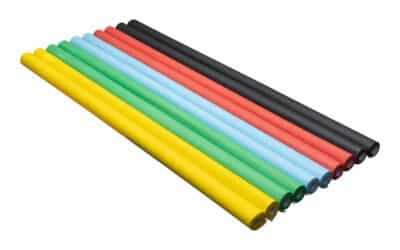
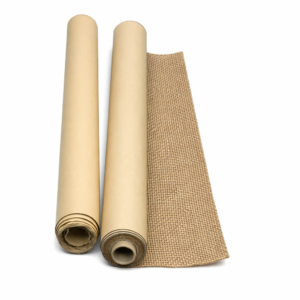
Display rolls are particularly useful in January. Large rolls allow boards to be covered quickly with a smooth, professional finish. This saves time while creating a clean base for the rest of the term.
Borders should frame content rather than dominate it. A simple patterned border paired with a plain background helps pupil work stand out clearly.
Making the Most of Display Rolls and Borders
January classroom display ideas need to be practical. Display rolls and borders help teachers refresh multiple boards quickly without excessive cutting or joining. Rolls provide flexibility for large noticeboards, corridors and shared spaces.
Borders bring structure and help define learning zones. They can also be reused creatively by cutting them into strips or shapes for headings, labels or accents. Choosing durable materials means displays last longer and look tidy throughout the term.
You can explore a wide range of classroom display materials here:
Using Displays to Reinforce Learning
Displays are most effective when they support current learning rather than act as decoration. January is an ideal time to realign boards with what pupils are actually working on.
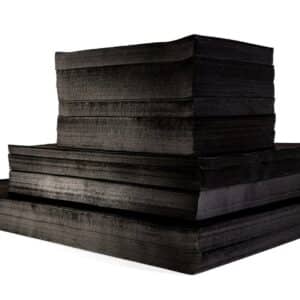
Consider creating clearly labelled sections such as reading focus areas, maths strategies or topic vocabulary. Mounting work on coloured display paper improves readability and gives each piece importance.
Rotating content regularly keeps displays relevant and helps pupils see learning as ongoing rather than static.
Highlighting Pupil Work to Build Ownership
January classroom display ideas should always include pupil voice. Featuring current work shows that effort matters and builds pride in learning. Clearly defined spaces for pupil contributions encourage engagement and motivation.
Simple titles such as “Our Best Writing This Term” or “Problem Solving in Action” help pupils understand why work is displayed. Consistent backing paper keeps displays looking organised even as content changes.
Adding Interactive Display Elements
Interactive displays help classrooms feel alive rather than static. Writable areas, reflection prompts or question boards invite pupils to engage throughout the term.
Laminated display paper allows content to be updated easily without rebuilding the board. Small interactive features also support discussion and reflection, especially during the quieter start to term when routines are still settling.
For guidance on creating supportive learning environments in schools, Education Support offers useful resources:
Adapting Displays for Different Age Groups
January classroom display ideas vary depending on age and stage. Younger pupils benefit from clear visuals, limited text and familiar routines displayed at eye level. Older pupils respond well to displays that reinforce learning strategies, key vocabulary and independent thinking.
Across all age groups, clarity matters more than quantity. A few purposeful boards are more effective than walls filled with competing information.
Practical Tips for a Successful January Refresh
Measure boards before cutting display paper to reduce waste.
Plan layouts loosely before fixing materials permanently.
Laminate headings that will stay up all term.
Store leftover border strips for future use.
Small preparation steps save time and keep displays looking professional well beyond January.
January classroom display ideas work best when displays support learning, behaviour and wellbeing together. With thoughtful themes, clean layouts and quality materials from Display Papers, classrooms can feel refreshed, focused and ready for the new term.